
 |
11th squadron ( PAF)" Arrows" |
 |
11 sqn " Arrows" ( PAF) | |||
| Status: |
Active
|
|||
| Version: | F-16A/B block 20 MLU | |||
| Role: | Multirole | |||
| Tailband: | N/A | |||
| Motto: | Your destination is above everyone else’s destination. | |||
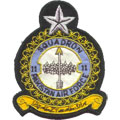
| Badge: | An arrow pointing up through a circle of stars. | |||
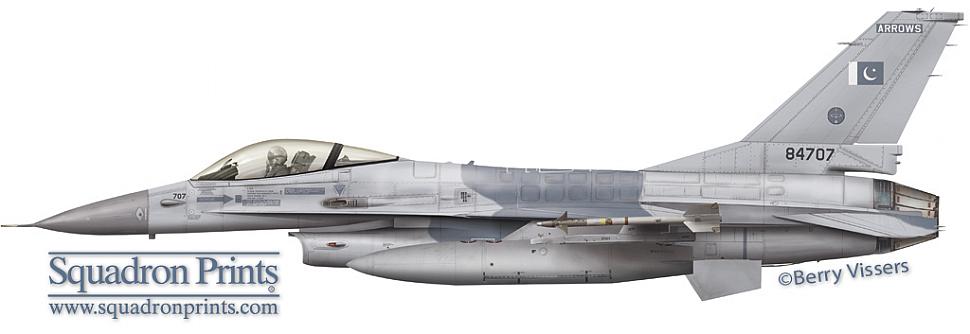
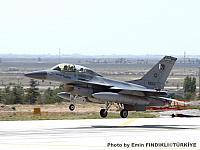
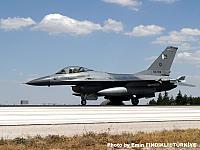
Sideways profile for 11 sqn in 2007.
F-16 History
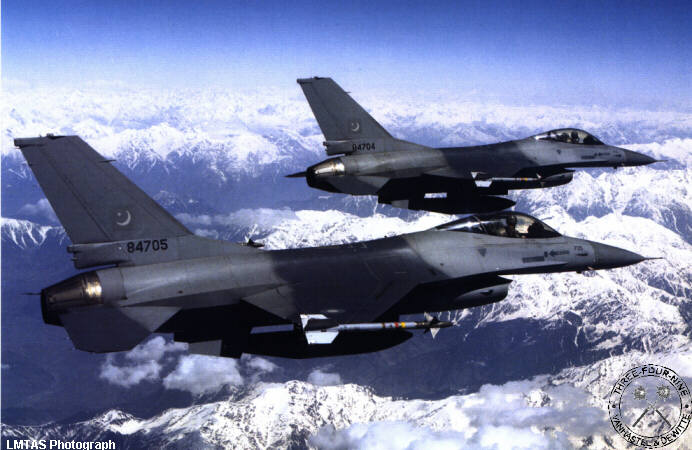
The 11th squadron was the first within the PAF to be equipped with the F-16. The first aircraft arrived in the course of 1983. With the introduction of the F-16, the squadron was moved from Rafiqui AB to Sarghoda AB to form the 38th Wing there. The first task of the squadron was to train all future F-16 pilots. A task which the squadron still retains until this day.
Upon introduction with the PAF, the F-16 became the most modern fighter in their inventory. Therefore, the government decided to base this unit as close as safely possible to the Afghan border. With the Soviet invasion in Afghanistan in 1979, a lot of turmoil existed in the Pakistani-Afghan border region. Russian and Afghan aircraft regularly crossed the border with Pakistan. The F-16s, with their brand-new AIM-9L missiles, were sent to counter these threats.
This tense situation existed until the Soviet withdrawal in 1989. The squadron played an important role in defending Pakistan against any intrusion. However it wasn’t credited with any ‘kills’ during this conflict in contradiction with the other two F-16 squadrons, the 9th and 14th.
In the mid eighties, it became more and more apparent that the F-16 could be used for more then just air defence. Since maintaining a credible defence is important for Pakistan, it was agreed upon to use the F-16 in the ground attack role too. To have this performed, pin point targeting became a necessity. Since the American designed LANTIRN system wasn’t available to the market at that time and it wasn’t yet compatible with the F-16, certainly not with the block 15 models the PAF was flying, the Pakistani military decided to integrate the Thompson-CSF ALTIS II laser designation pod on its F-16s from 1987 onwards. This made it possible to accurately deliver laser guided bombs as the GBU-10/12.
In the coming years, the F-16 fleet will undergo a major refurbishment operation. Falcon Up and Falcon Star programs are already initiated to prolong the lifecycle of the aircraft as well as an upgrade to MLU standards. This will see the F-16 flying for many more years within the Pakistani Air Force.
In 2013 the squadron was relocated from Sargodha AB to Shahbaz AB. It's task remained the same.
Aircraft Markings History
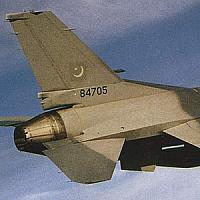
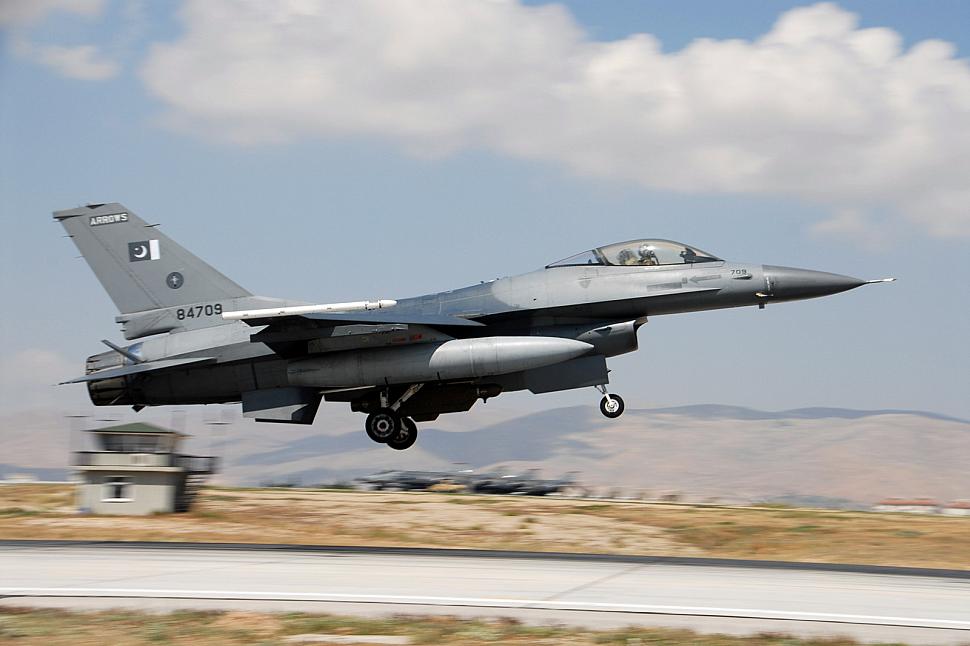
The PAF F-16s were pooled at this time and no unit marking were present on the tail. Only a Pakistani flag adorned it in the center with the serial number on the tail base. The flag also existed in a full color format.
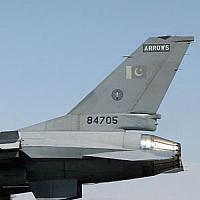
The Pakistani flag and serial number remained. A squadron logo was added below the flag with the squadrons name added on top of the tail.
Unit History
- 1949: Activation of the squadron in Mauripur
- 1949: ‘Attacker’ F1
- 1956: F-86F ‘Sabre’
- 1965: F-86F ‘Sabre’ (Sarghoda AB)
- 1966: F-6A
- 1971: F-6A (Rafiqui AB)
- 1983: F-16A/B ‘Fighting Falcon’ (Sarghoda AB)
- 2006: F-16AM/BM 'Fighting Falcon'
- 2013: F-16AM/BM 'Fighting Falcon' (Shahbaz AB)
F-16 Airframe Inventory
- All 11 sqn F-16s in our F-16 Aircraft Database (past and current aircraft)
- Current 11 sqn F-16s in our F-16 Aircraft Database
Photos
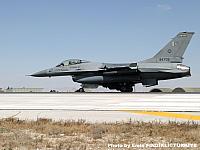
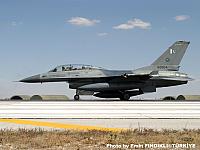

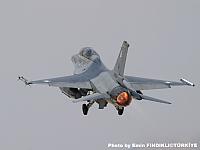
Please use this form to add any list any error or omissions you find in the above text.
Note: your comments will be displayed immediately on this page. If you wish to send a private comment to the webmasters, please use the Contact Us link.